
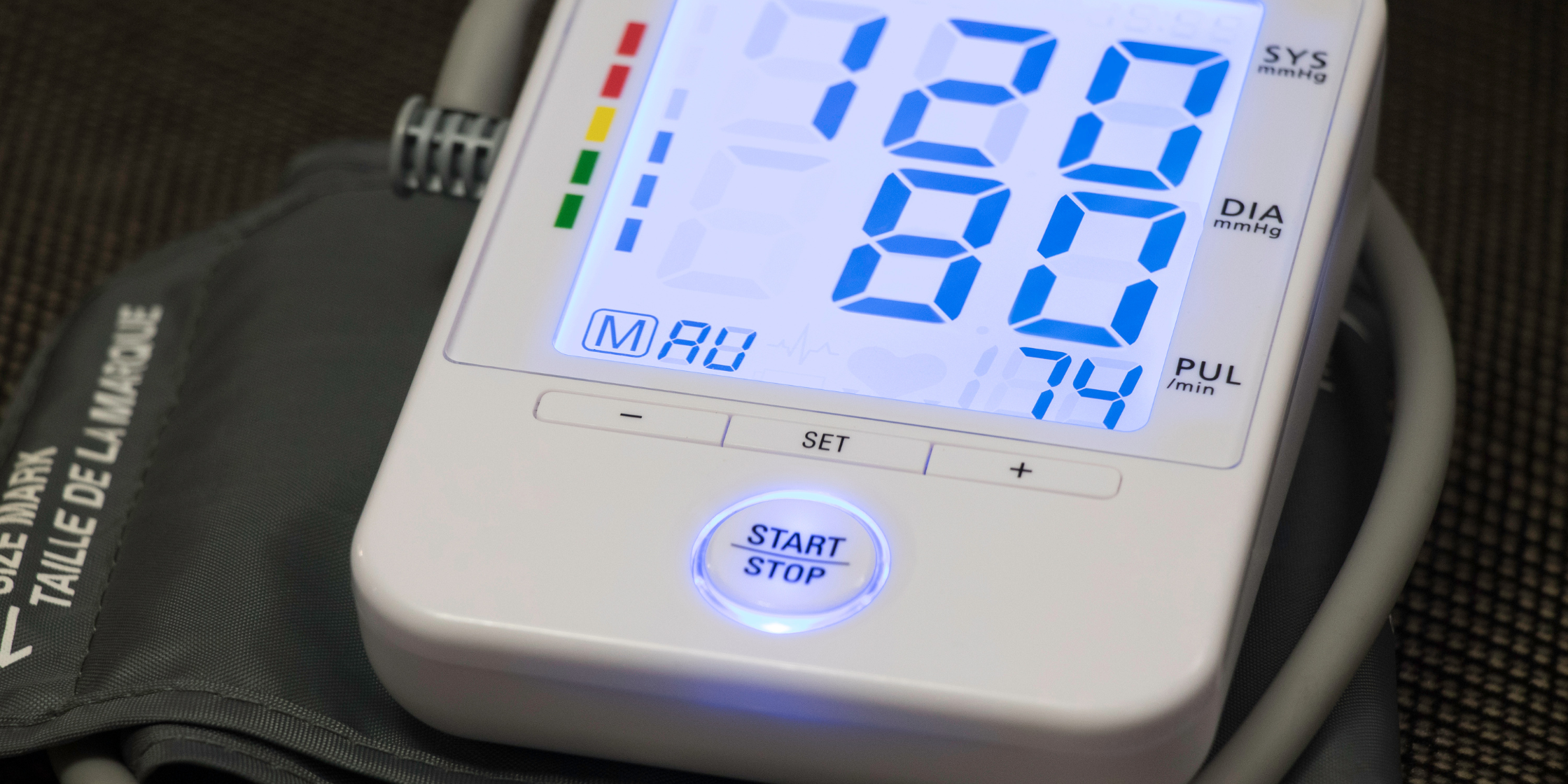
Have you ever looked at your blood pressure results and wondered why two simple numbers can cause so much confusion, especially when the readings seem to change with every visit? Many patients find these values difficult to interpret because the numbers rise and fall based on daily habits, stress levels and even the time of day. According to our editor’s research, understanding the basics of blood pressure helps people interpret their readings more calmly and recognise when changes require attention. This knowledge gives individuals the confidence to navigate medical conversations without feeling overwhelmed. Learning what these numbers represent creates a clearer path toward managing heart health with steadier expectations and less worry.
What do blood pressure numbers actually measure?
Blood pressure numbers measure how strongly blood pushes against artery walls during circulation. According to our editor’s reviews, the upper number reflects pressure during heartbeats while the lower number represents pressure between beats. These two measurements help doctors understand how hard the heart must work to deliver blood throughout the body. Many patients feel confused because the reading appears as a simple pair of numbers, yet each part carries important meaning. When individuals recognise the difference, the results become easier to interpret. This basic understanding helps patients track their health more accurately without unnecessary concern.
Why is the top number called systolic pressure?
The top number is called systolic pressure because it measures the force created when the heart contracts. According to our editor’s research, this moment reflects the highest pressure inside the arteries during a heartbeat. Systolic pressure often rises with activity, stress or certain medical conditions. Doctors pay close attention to this number because it shows how much strain the heart experiences during circulation. When systolic readings stay elevated for long periods, they increase the risk of long term heart problems. Understanding this value helps patients notice patterns and respond more effectively to lifestyle changes.
What does the bottom number mean and why is it important?
The bottom number indicates diastolic pressure and measures the force in the arteries when the heart rests between beats. According to our editor’s reviews, this resting pressure helps specialists understand how relaxed or tense the blood vessels remain throughout the day. Diastolic pressure often remains more stable but can rise due to stress, poor sleep or certain conditions. Elevated diastolic readings suggest that the arteries stay under added pressure even during rest. Recognising this number’s importance helps patients interpret their results with more clarity and engage in healthier routines.
How do daily habits influence blood pressure numbers?
Daily habits influence blood pressure because the body responds to movement, diet and emotional stress with measurable changes. According to our editor’s research, activities such as rushing, eating salty meals or skipping rest often make readings rise temporarily. Emotional stress also affects blood vessel tension, which leads to higher numbers during busy days. Patients often feel surprised when their results change from morning to evening, but these fluctuations are normal. When individuals examine their daily routines, they can often identify the moments that influence their readings the most.
Why does stress raise blood pressure?
Stress raises blood pressure because the body releases hormones that tighten blood vessels and increase heart rate. According to our editor’s reviews, this response helps the body prepare for physical or emotional challenges. However, when stress becomes frequent, blood vessels remain tense longer than necessary. This tension increases both systolic and diastolic pressure and leads to higher readings during routine measurements. Patients who understand this connection feel less alarmed when numbers rise during stressful periods. Awareness encourages calm reflection rather than fear.
What role does salt play in blood pressure changes?
Salt influences blood pressure because it affects the body’s fluid balance and increases the volume of blood circulating in the arteries. According to our editor’s research, higher blood volume creates more pressure inside the blood vessels, which leads to elevated readings. Many people consume more salt than recommended, often without realising it. Processed foods, sauces and ready made meals contain hidden salt that contributes to rising numbers. When individuals reduce salt gradually, they often notice more stable readings and improved overall comfort.
How do age and genetics affect blood pressure levels?
Age and genetics influence blood pressure because blood vessels naturally change over time and family history affects cardiovascular patterns. According to our editor’s reviews, arteries become less flexible with age, which increases resistance and raises systolic pressure. Genetics also guide how the body handles stress, salt and daily fluctuations. Some individuals develop higher readings even with healthy habits simply due to inherited traits. Recognising these influences helps patients understand their numbers without blaming themselves. This perspective promotes healthier and more realistic expectations.
Why do doctors measure blood pressure multiple times?
Doctors measure blood pressure multiple times because single readings may not reflect the patient’s true average. According to our editor’s research, numbers vary throughout the day based on posture, activity and emotional state. Repeated measurements provide a clearer picture of long term patterns. Doctors also consider differences between home readings and clinic readings because some patients experience temporary increases due to nervousness. When readings remain consistent across multiple checks, doctors gain better insight into overall heart health.
What do high readings mean for long term health?
High readings indicate that the heart and blood vessels experience extra strain during circulation. According to our editor’s reviews, this strain increases the risk of heart disease, kidney problems and stroke if left unmanaged. Many patients do not feel symptoms when their numbers rise, which makes regular checks essential. The long term effects develop gradually and often remain silent until complications appear. When individuals understand the meaning behind high readings, they feel more motivated to maintain healthier routines and seek medical support when needed.
How can patients respond to rising blood pressure numbers?
Patients can respond to rising readings by adopting gentle habits that support healthier circulation. According to our editor’s research, small changes such as walking regularly, reducing salt and managing stress help lower numbers gradually. Hydration and sleep stability also support smoother vessel relaxation. Individuals who track their readings daily often notice improvements more quickly because patterns become easier to identify. Understanding these small steps helps patients feel more in control of their health without feeling overwhelmed.
Blood pressure numbers may seem simple at first glance, but they carry important information about the body’s overall balance and long term wellbeing. This article offers a clear and accessible overview to help readers interpret their results with confidence. For more detailed information, you may wish to visit the websites of official institutions and organizations.