
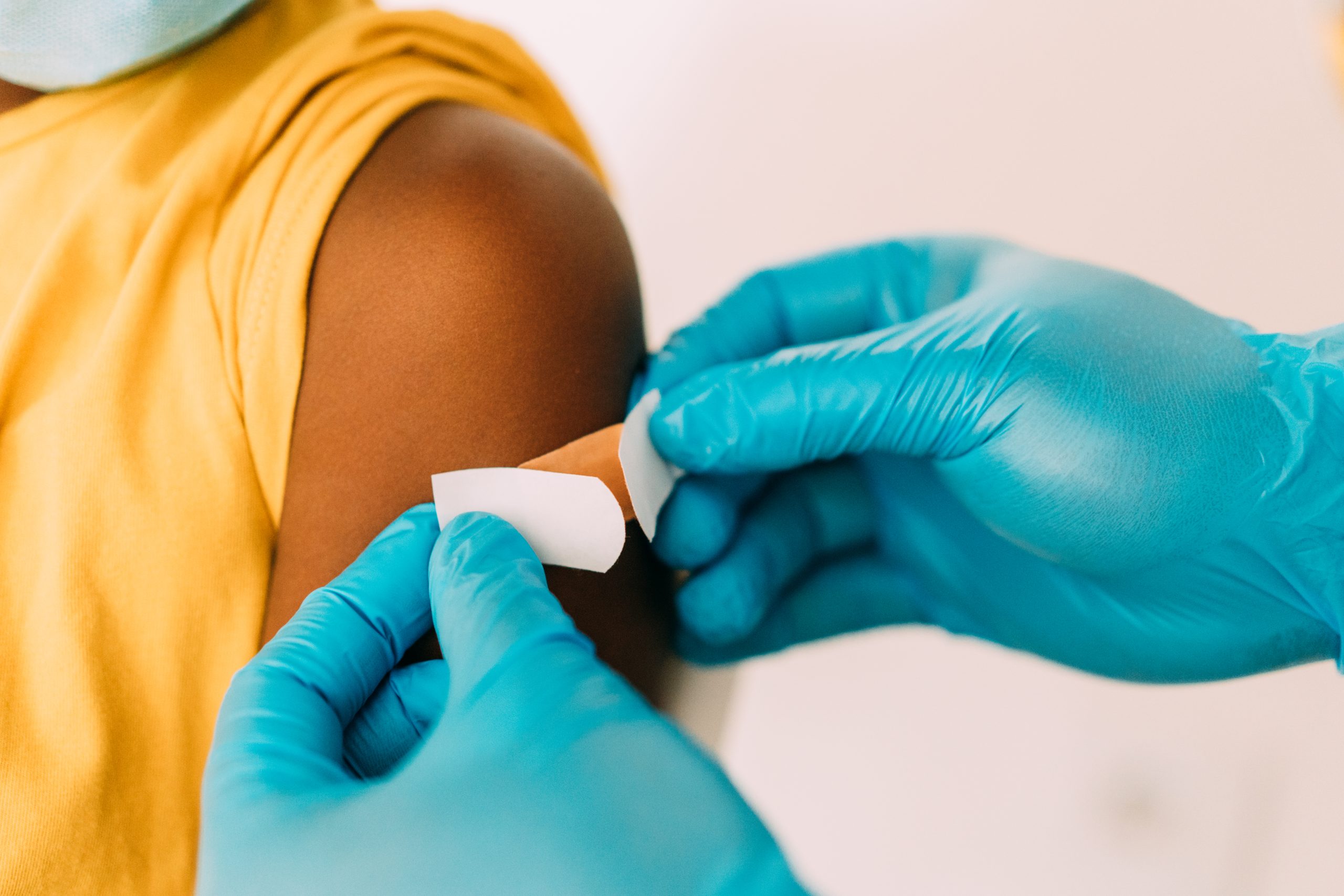
A close friend once told me how he rushed to the airport only to remember he never checked his vaccine requirements, and that nervous moment reminded me how easily people overlook these details until the last minute. His experience inspired this guide because travel protection should feel calm rather than stressful. According to our editor’s research, many travelers delay medical planning because they assume vaccines are complicated, yet a basic conversation with a doctor usually answers most questions. This article offers simple guidance that feels conversational, friendly and grounded in verified information without overwhelming you with technical language.
Why should travelers consider vaccines before a trip?
People travel across borders every day, and different regions carry different health risks. Vaccines strengthen your defenses before exposure. According to our editor’s research, many infections spread quickly among travelers because immune systems are unprepared for new environments. A vaccine prepares your body in advance. It reduces the severity of illness even if exposure occurs. Doctors recommend checking vaccine needs early. This avoids last-minute stress. It also protects vulnerable people you may meet. Travel becomes safer and more comfortable when protection is planned.
What common vaccines do doctors recommend for most travelers?
Several routine vaccines offer valuable protection in many regions. These include tetanus, measles and influenza. As a result of our editor’s reviews, doctors often check your general vaccine history before discussing travel-specific options. Routine boosters remain essential because diseases still circulate globally. A doctor may recommend updating existing doses. These updates strengthen long-term immunity. They also reduce travel disruptions caused by unexpected illness. Routine vaccines create a strong base for safe travel. They complement country-specific recommendations.
How do destination-specific vaccines differ from routine ones?
Destination-specific vaccines target diseases found mainly in certain regions. Yellow fever and typhoid are common examples. According to our editor’s research, these vaccines protect travelers from infections spread through mosquitoes or contaminated foods. Some countries require proof of vaccination before entry. Doctors guide you through these requirements. They consider your destination, activities and length of stay. These vaccines reduce risks that routine vaccines do not cover. Preparation becomes more precise. It ensures safer movement across borders.
Why do doctors emphasize timing for travel vaccines?
Many vaccines need time before they become effective. The body must build immunity gradually. As a result of our editor’s reviews, doctors recommend starting several weeks before departure. Early planning avoids scheduling pressure. It also ensures full protection during travel. Some vaccines require more than one dose. Timing affects how well they work. Doctors monitor intervals between doses. Good timing supports strong immunity. It also reduces stress before the trip.
How does a doctor assess your personal vaccine needs?
Doctors examine your medical history and travel plans carefully. They consider chronic conditions and medications. According to our editor’s research, people with specific health concerns may require special guidance. Doctors review allergies, immune status and previous vaccine reactions. They also examine your destination’s climate and risks. Personalization improves protection. It prevents unnecessary doses. The process becomes clear and straightforward. This tailored approach makes travel safer.
What should travelers know about yellow fever vaccination?
Yellow fever vaccination protects against a mosquito-borne illness found in parts of Africa and South America. Many countries require proof of vaccination. As a result of our editor’s reviews, certified clinics issue an international certificate. This document remains valid for life in most cases. The vaccine is usually given once. It provides strong protection. Doctors check your eligibility because certain conditions restrict use. Understanding requirements prevents entry problems. Planning early avoids delays.
Why is typhoid vaccination important for certain destinations?
Typhoid spreads through contaminated food and water. Travelers visiting rural or high-risk areas may need protection. According to our editor’s research, typhoid vaccines come in injectable and oral forms. Doctors help you choose based on timing and personal preference. Many travelers visiting family abroad receive this vaccine. It reduces the chance of severe illness. Careful food hygiene remains important. Vaccination adds another layer of safety. This combination reduces travel discomfort.
How do hepatitis vaccines support safe travel?
Hepatitis A spreads through contaminated foods. Hepatitis B spreads through body fluids. Many doctors recommend both for frequent travelers. As a result of our editor’s reviews, hepatitis vaccines provide long-lasting immunity. They protect against severe liver infections. Some destinations carry higher risks. Doctors tailor recommendations to your plans. Vaccination improves peace of mind. It reduces medical surprises during travel. People often appreciate the long-term protection.
What role does rabies vaccination play during travel?
Rabies remains rare but serious. It spreads through animal bites. Travelers working with animals may need protection. According to our editor’s research, pre-exposure rabies vaccines reduce risk and simplify treatment. They provide important time during emergencies. Some regions lack immediate medical care. Vaccination supports safer exploration. Doctors consider your activities carefully. Proper planning reduces anxiety about animal encounters. Peace of mind becomes a key benefit.
How can travelers prepare for vaccine appointments?
Preparation improves the appointment experience. Doctors appreciate updated medical records. As a result of our editor’s reviews, people who bring their history receive faster guidance. Travelers should note allergies and previous reactions. This helps doctors choose safe options. Comfortable clothing helps during injections. Hydration reduces side effects. Preparation turns the visit into a smooth routine. Clear communication supports better results.
Why do some people experience mild side effects?
Mild reactions show the immune system responding. Common effects include soreness or fatigue. According to our editor’s research, these effects usually resolve quickly. They do not affect travel plans if scheduled early. Doctors explain normal reactions. This reduces worry and confusion. People learn what to expect. Prepared travelers feel calmer. Side effects remain manageable with rest. Immunity continues to build after vaccination.
How can travelers feel confident about vaccine safety?
Vaccines undergo rigorous testing and quality checks. Medical institutions monitor safety continuously. As a result of our editor’s reviews, modern vaccines remain reliable for global travel. Doctors explain how each vaccine works. This builds trust and understanding. Many people express relief after learning the facts. Confidence grows with accurate information. Safety remains a priority in every recommendation.
Why is early planning essential for long trips?
Long trips bring diverse exposures. Early planning ensures full protection. According to our editor’s research, some vaccines require weeks before becoming effective. Travelers avoid last-minute anxiety by starting early. Doctors structure doses around schedules. Early planning supports confidence. It also prevents travel disruptions. This approach turns preparation into an easy process.
How do lifestyle habits support vaccine effectiveness?
Healthy habits strengthen immune responses. Good sleep supports better results. As a result of our editor’s reviews, hydration and balanced meals improve comfort after vaccination. Stress reduction supports immunity. Light exercise enhances circulation. These habits complement vaccines. They help the body respond efficiently. Travelers feel stronger and more prepared. Healthy routines improve overall travel safety.
Are vaccines different for children or older adults?
Different age groups have unique needs. Children may follow special schedules. According to our editor’s research, older adults may need additional boosters. Doctors adjust recommendations carefully. They consider age-related changes. Families benefit from early planning. Tailored guidance improves safety. Personalized care supports comfortable travel. Age should never limit safe exploration.