
You might feel fine during a busy week. A colleague mentions a recent checkup and new pills. You wonder about your own numbers and family history. Do you really need tests if you feel well? Here is the gentle truth about risk today. Heart disease grows silently long before symptoms appear. Early steps are simpler than late rescues.
Why does cholesterol matter for everyday life?
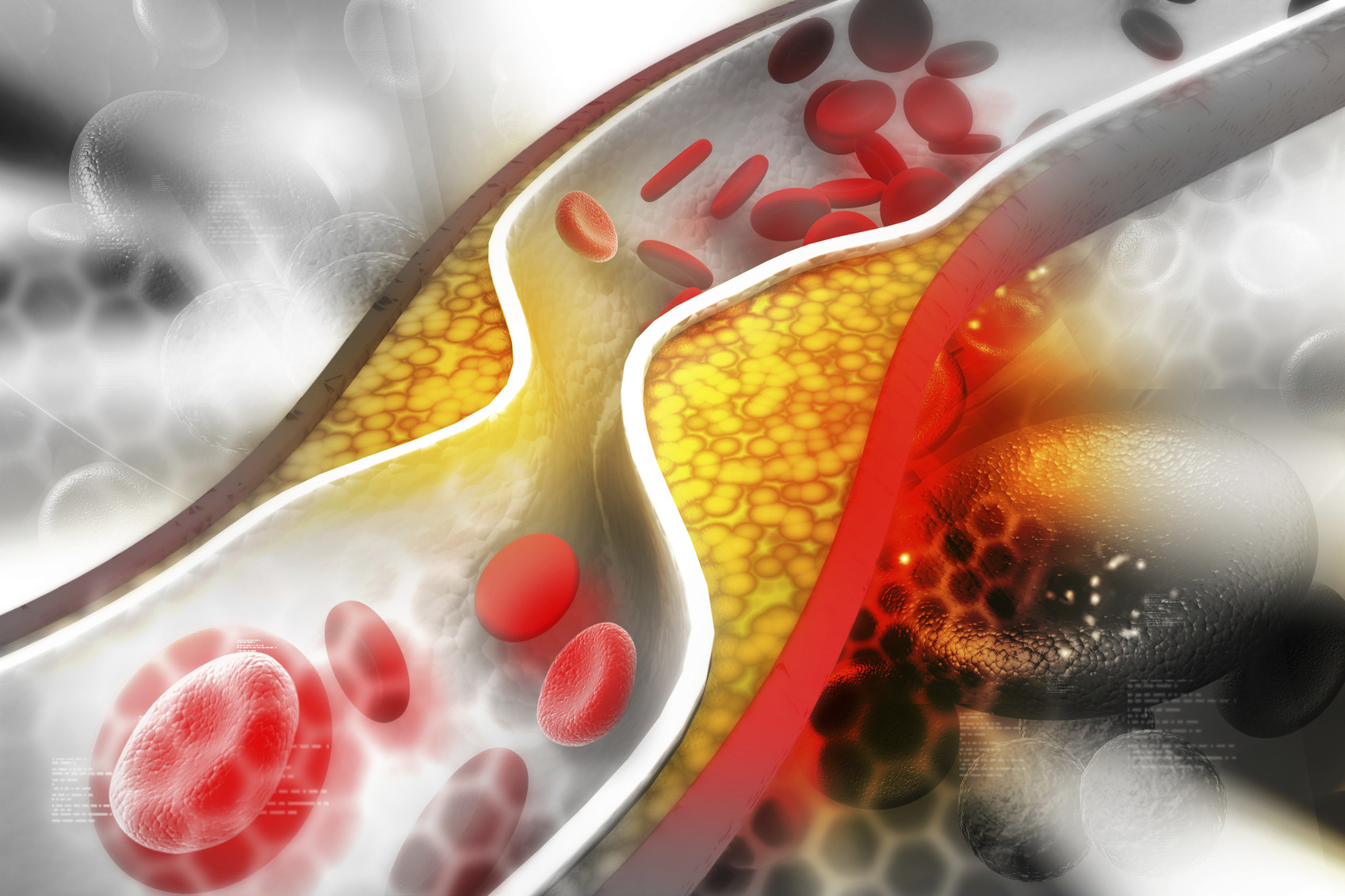
Cholesterol helps build hormones and cell membranes normally. Problems start when certain particles linger in blood. Those particles squeeze into artery walls under pressure. The body treats them like irritants and sends responses. Over time, that reaction thickens and stiffens artery linings. Blood flow becomes harder during life’s busiest years. Preventing buildup is easier than fixing clogs later.
What is cholesterol, really?
Cholesterol rides inside lipoprotein particles in blood. Low density lipoproteins carry cargo outward to tissues. High density lipoproteins help return cargo to the liver. Triglycerides carry energy, often rising after heavy meals. A single blood test reports these in familiar units. Your clinician views all numbers together for context. The goal is stable circulation without silent strain.
How does plaque actually form?
Small particles cross artery linings at stress points. They trigger immune cells and chemical messengers slowly. A soft fatty streak begins and grows over years. The surface can crack during inflammation and pressure. A clot may form and block blood rapidly. That is when chest pain or stroke symptoms appear. Lowering particle load reduces the chance of that chain.
Which numbers should you know first?
LDL cholesterol predicts risk across many populations reliably. Non HDL cholesterol also captures all atherogenic particles. Triglycerides matter when they run high frequently. HDL can help with transport yet varies widely. Some clinics measure apolipoprotein B for precision. Your personal target depends on overall risk level. Discuss numbers in ranges rather than single days.
Why does apolipoprotein B get attention lately?
Apolipoprotein B counts the atherogenic particles directly. Each LDL particle carries exactly one apoB protein. Fewer particles mean fewer chances to enter arteries. Some people show normal LDL but high apoB. That pattern still deserves a careful discussion. Ask if apoB could clarify your picture. More clarity helps align effort and motivation.
What about Lipoprotein(a) and family risk?
Lipoprotein(a) is a genetic cholesterol variant. High levels run in families quietly for years. It can accelerate plaque growth despite healthy habits. A once in a lifetime test often suffices. Elevated results guide stronger prevention plans earlier. Ask about testing if relatives had early events. Knowing helps you plan without fear or guesswork.
How do national risk calculators help?
Health ministries and cardiology societies publish risk tools. They estimate ten year risk using age and numbers. Smoking, blood pressure, and diabetes influence the score. These tools guide targets for LDL and lifestyle. They are not a verdict but a compass. Bring results to your next clinic visit. Good plans grow from shared understanding.
Why do diet patterns matter beyond single foods?
Patterns shape weekly averages that matter most. Saturated fats raise LDL in many people. Unsaturated fats from nuts and oils lower it. Soluble fiber traps cholesterol in the gut gently. Excess sugar can raise triglycerides noticeably. Stable patterns beat dramatic short experiments. Your kitchen habits carry quiet power daily.
What should a practical plate look like?
Build meals around vegetables, legumes, and whole grains. Add fish or lean proteins several times weekly. Use olive oil or similar unsaturated fats for cooking. Choose yogurt or milk with lower saturated fat options. Keep sugary drinks and pastries for rare moments. Eat slowly and notice hunger and fullness cues. Small routines add up across ordinary months.
How should you read labels for saturated fat?
Check serving sizes first to avoid confusion. Look for saturated fat grams per serving directly. Scan for tropical oils in processed snacks. Compare similar products across a single shelf. Pick options with lower saturated fat and more fiber. Keep these picks steady rather than perfect. Consistent choices shape numbers predictably over time.
Where do exercise and sleep help metabolism most?
Movement improves insulin sensitivity day by day. Better sensitivity lowers triglycerides after meals. Exercise also raises good transport activity modestly. Sleep steadies hunger hormones that drive late snacking. Seven to nine hours supports balanced morning energy. Regular bedtimes protect recovery during busy seasons. Lifestyle supports magnify benefits of medical therapy.
How does body shape influence risk today?
Waist measurements reflect deeper metabolic strain. Central fat releases signals that raise LDL particles. It also reduces insulin sensitivity across tissues. Modest weight changes can still lower risk meaningfully. Track waist and energy rather than only pounds. Gentle progress beats extreme cycles every time. Your plan should feel livable most weeks.
Why do blood pressure and sugar matter together?
High pressure injures artery linings mechanically. Elevated glucose adds chemical stress alongside it. Together they speed plaque growth silently. Control of both reduces lifetime risk significantly. Ask about home pressure checks and periodic labs. Small medications can protect organs over decades. Coordination brings calm momentum to prevention.
Are supplements helpful for cholesterol control?
Supplements vary in quality and evidence dramatically. Fish oils help triglycerides in specific doses. Plant sterols may lower LDL modestly in foods. Red yeast rice can contain statin like compounds. Purity and dosing vary across brands widely. Always discuss supplements with your clinician before starting. Safety and interactions deserve clear attention.
Which medicines lower LDL effectively?
Statins reduce liver cholesterol production efficiently. Ezetimibe lowers absorption from the intestine gently. PCSK9 inhibitors increase LDL clearance significantly. Bempedoic acid acts on an earlier liver step. Combinations are tailored to risk and tolerance. Decisions weigh benefits and side effects together. The aim is sustained, comfortable control for years.
What side effects should you discuss openly?
Muscle aches occur for a minority of users. Many resolve with dose or drug adjustments. Liver enzymes are checked periodically for safety. New onset diabetes risk is small and monitored. Benefits for high risk people remain very strong. Report symptoms rather than stopping alone suddenly. Teams can adjust with many flexible options.
How often should you check labs?
New plans often recheck at six to twelve weeks. Stable control can move to longer intervals. People with higher risk may check more often. Lab timing should match medication changes and goals. Ask for a calendar that fits your schedule. Confidence grows when checks follow a clear rhythm. Rhythm makes progress feel steady and real.
According to our editor’s research, which habits stick?
According to our editor’s research, three patterns stand out strongly. People who cook twice weekly eat fewer saturated fats. Families who schedule morning walks move more consistently. Shoppers who read labels save saturated grams quietly. Sleep routines reduce late night snacking reliably. These small anchors appear across many households. Small anchors deliver steady cholesterol improvement.
As a result of our editor’s reviews, what works weekly?
As a result of our editor’s reviews, simple systems win. A fixed fish night locks one heart friendly meal. A Sunday batch of legumes speeds weekday dinners. A phone reminder supports evening wind down reliably. A standing refill date prevents medication gaps. These light structures reduce decision fatigue daily. Less friction means more follow through.
Where do local cuisines fit into heart smart plans?
Regional dishes can be adapted without losing joy. Choose grilled fish over heavy fried platters. Favor olive oil, tahini, and nuts for flavor. Balance rich meats with generous salads and legumes. Pick yogurt based sauces over butter heavy creams. Ask restaurants for lighter cooking oils politely. Local health ministries endorse similar practical swaps.
Why does quitting smoking change risk so quickly?
Smoking injures artery linings and thickens blood. It also lowers beneficial transport activity slightly. Quitting reduces events faster than many expect. Taste and exercise comfort improve within weeks. Your LDL plan becomes more effective afterward. Seek support programs through health authorities locally. Help makes the change more durable and kind.
What if your numbers are okay but history worries you?
Family history of early events deserves respect. Discuss coronary calcium scanning with your clinician. A zero score often supports gentler plans. A higher score supports stronger LDL targets. The test is quick and non invasive for many. Use the result to guide effort wisely. Planning should match personal reality, not fear.
How should you prepare for clinic visits?
Bring a written list of recent meals honestly. Note exercise, sleep, and stress patterns briefly. Record home pressure readings with dates and times. List all medicines and supplements with doses. Write your top three questions in large print. Ask about targets and next check timing. Clear notes help shared decisions feel easier.
What breakfast choices support your goals?
Pick oats or whole grain bread with fruit. Add yogurt or eggs for satisfying protein. Use olive oil instead of butter for cooking. Skip sugary drinks and pick water or tea. Keep portions steady during busy weekdays. Save richer options for relaxed weekends. Predictable breakfasts steer midday choices calmly.
How do restaurants and travel fit the plan?
Scan menus for baked or grilled main dishes. Request extra vegetables in place of fries. Share rich desserts rather than eating alone. Carry nuts to buffer long airport waits. Drink water before ordering when hungry. Ask about cooking oils politely and clearly. Small adjustments protect numbers without dampening joy.
Why does stress management enter a cholesterol article?
Stress influences eating, sleep, and blood pressure. Chronic stress encourages late snacking and poor sleep. Short breathing breaks can lower tension quickly. Brief walks reset mood and appetite gently. Social support reduces pressure during hard seasons. Protecting calm protects arteries over many years. The emotional plan supports the numbers plan.
What should young adults know early?
Cholesterol patterns begin in the twenties quietly. Habits set during early work years persist strongly. Early LDL levels predict later plaque more accurately. Movement, food, and sleep patterns lay the base. A baseline test guides focus without drama. Small course corrections compound across decades. Prevention is a gift to your future self.
How do pregnancy and hormones affect numbers?
Pregnancy raises lipids as a normal adaptation. Clinicians interpret values differently during those months. Certain medicines pause during pregnancy and nursing. Food patterns and gentle movement still help. Discuss plans before conception when possible. Teams will tailor safe choices by trimester. Communication keeps mother and baby priorities aligned.
Where do community programs support heart health?
Local clinics host screenings during health campaigns. Workplaces run wellness checks during specific months. Community centers teach label reading and cooking skills. Schools promote healthy breakfasts and active commutes. Health ministries publish seasonal heart messages. These efforts make good habits easier to keep. Joining adds accountability and friendly momentum.
What signals mean urgent medical care now?
Call immediately for chest pressure or tightness. Seek help for sudden shortness of breath today. Do not ignore new arm or jaw pain. Call for fainting or sudden dizziness urgently. Act fast with weakness on one side. Time matters during heart or brain events. Quick action saves muscle and memory alike.
How do you keep progress human and steady?
Pick two changes that feel reasonable now. Schedule your first recheck and mark the date. Plan one favorite meal that fits the plan. Walk with a friend twice weekly for joy. Keep sleep predictable across the workweek. Thank yourself for small, consistent steps. Progress builds from kindness more than willpower.